The Biggest Mistakes Beginners Make When Buying Woodworking Tools
We've all seen them. Those flashy boxes at the hardware store promising an entire workshop for three hundred bucks. Drill. Driver. Circular saw. A weird flashlight nobody asked for. Here's the truth. You don't need them. True beginner woodworking thrives on mastering a few solid tools, not juggling ten mediocre ones. When you buy that mega-kit, you're paying for cheap plastic gears and batteries that die after twenty minutes. Save your cash. Buy a really good drill. Buy a reliable circular saw. Leave the plastic flashlight on the shelf.
Going Cheap on the Heart of Your Shop
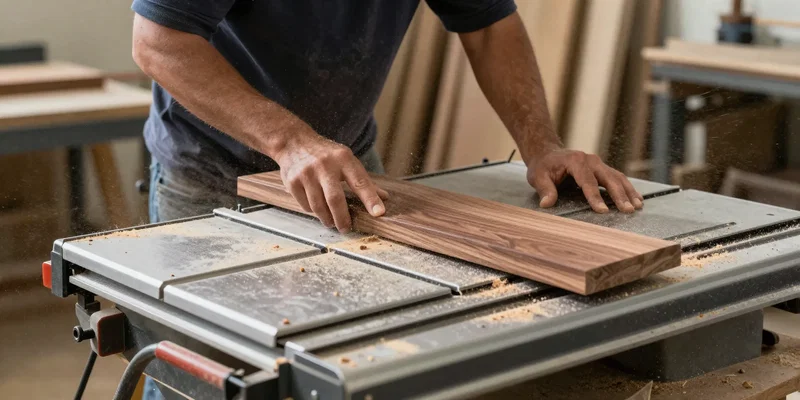
Your table saw is the king of your shop. Period. Try to save a few bucks by grabbing a wobbly, lightweight jobsite saw off the clearance rack, and you will pay for it later. Mostly in ruined wood. Sometimes in blood. A cheap fence won't stay parallel to the blade. Your cuts will drift. When it comes to buying power tools, skimping here is brutal. Good furniture making tips usually start with one rule: invest in heavy, cast-iron precision. Find a used older saw on Craigslist if you're broke. Just don't buy the flimsy plastic one.
Buying Tools for Projects You Haven't Started
You watch a YouTube video on cutting dovetails. Suddenly, you're convinced you need a $200 dovetail jig. Stop right there. One of the classic woodworking tool mistakes is buying gear for imaginary projects. You end up with a garage full of specialized jigs gathering dust. Buy tools strictly on a need-to-use basis. Building a dining table this weekend? Buy the jointer. Thinking about maybe building a grandfather clock next year? Keep your wallet in your pocket. Let the project dictate the purchase.
Treating Measuring Tools as an Afterthought
Everybody loves buying routers and planers. They make noise. They make sawdust. But you know what actually makes good furniture? A decent square. Beginners constantly blow their budget on loud machines and grab a $3 plastic square from the bargain bin. Huge mistake. If your square isn't square, your table legs will wobble. Your drawers will bind. Spend the money on a dead-accurate combination square and a quality marking knife. Precision is quiet. It's also expensive. Buy it anyway.
Pretending Sawdust Doesn't Matter
MDF dust is nasty. Hardwood dust isn't much better. Yet, most beginners treat dust collection like a luxury upgrade. They buy the fancy orbital sander but skip the shop vac adapter. You're going to breathe that stuff in. Your garage will be coated in a fine layer of misery. Before you buy your fourth router bit, invest in a proper shop vacuum and a cyclone separator. Hook it up to your tools. It's not glamorous. But protecting your lungs keeps you in the shop for decades to come.